What You Need to Know About Microdermabrasion
Microdermabrasion and a scrub at home are not the same thing. If you landed here looking for an exfoliating paste, this updated guide separates everyday skincare from an in-office treatment, with current products to browse rather than a promise that one can replace the other.
This post contains affiliate links; I may earn a commission if you shop through them. The products below are shopping options, not products I have confirmed using or a medical treatment plan.
What Is Microdermabrasion?
The American Academy of Dermatology describes microdermabrasion as a non-invasive treatment that gently exfoliates the skin. A dermatologist uses a handheld device to remove the top layer of skin. The treatment a dermatologist performs differs from an at-home kit and goes a little deeper.
That distinction matters when a product name includes words such as microderm or resurfacing. A name on a jar does not make the product the same as an office treatment. This guide does not promise that a scrub will remove dark spots, treat acne or produce procedure-level results.
Start With the Routine You Already Have
You do not need to turn every skincare step into exfoliation. The American Academy of Dermatology recommends a simple foundation of cleansing, moisturizing and sun protection. Look at what is already on your shelf before adding another active product. A long routine is not automatically a better one.
Keep a list of what you use and what irritates your skin. If you already use a retinoid, retinol or benzoyl peroxide, exfoliation may worsen dryness or irritation. Ask a dermatologist how a new product fits with those steps rather than layering everything together because the products have different names.
At-Home Exfoliation: A Separate Choice
Mechanical exfoliation uses a scrub or tool to remove dead skin cells physically. Chemical exfoliation uses ingredients such as alpha or beta hydroxy acids. Neither method is right for everyone. Skin type, current treatments and a history of irritation matter more than copying someone else’s schedule.
Be gentle and follow the specific product directions. Do not exfoliate sunburned skin or skin with open cuts or wounds. Over-exfoliation can leave skin red and irritated. If you are unsure whether exfoliation is a good fit, a board-certified dermatologist can help you decide.
Current Skincare Options to Browse
The useful comparison is not which product sounds strongest. It is which step you need: an optional exfoliator, a moisturizer or sun protection. You do not need to buy all three, and they are not an aftercare recommendation following a procedure.
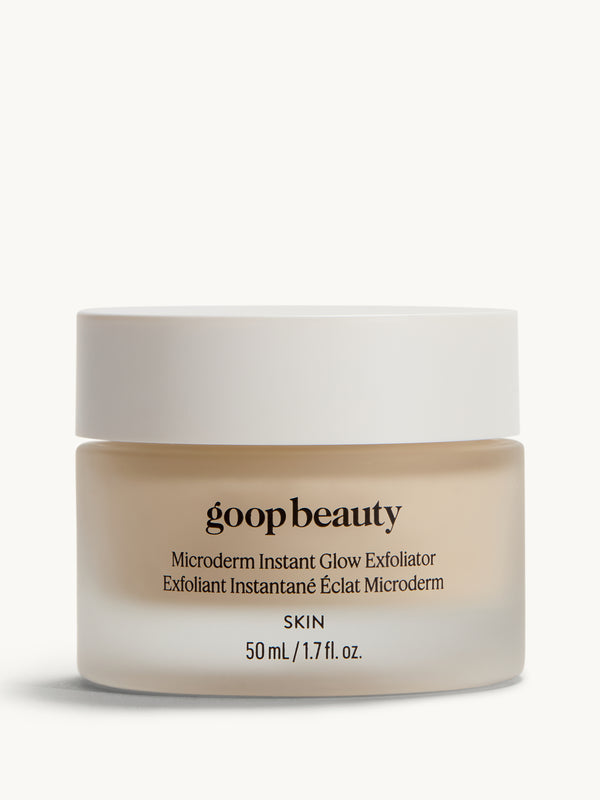
goop Beauty Microderm Instant Glow Exfoliator
A scrub to browse if you are looking at at-home exfoliators. This is a skincare product, not an in-office procedure or a promise of the same results. Check the directions and ingredients before adding it to your routine. Shop here
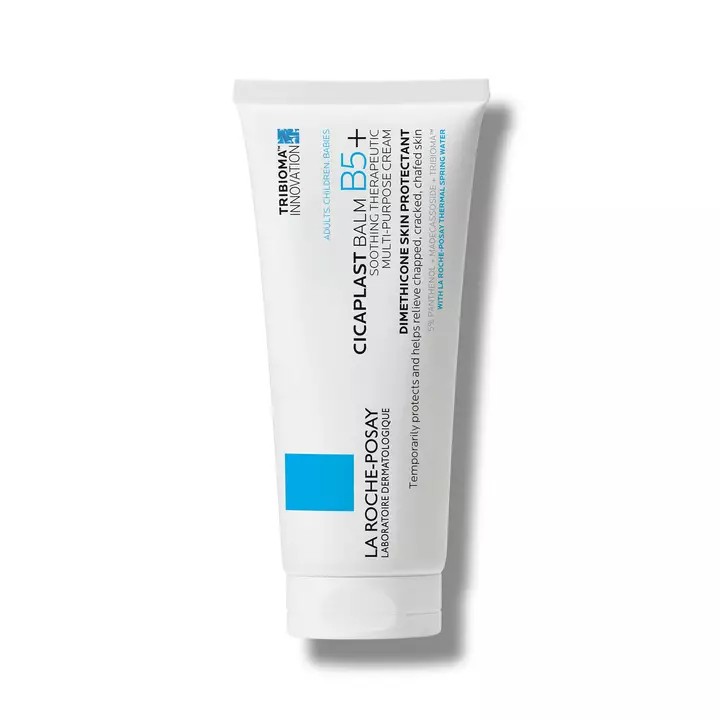
La Roche-Posay Cicaplast Balm B5+
A balm to browse for the moisturizing part of your routine. Read the label and check whether the texture suits your skin. It is not a treatment for a skin condition or a replacement for care from a dermatologist. Shop here
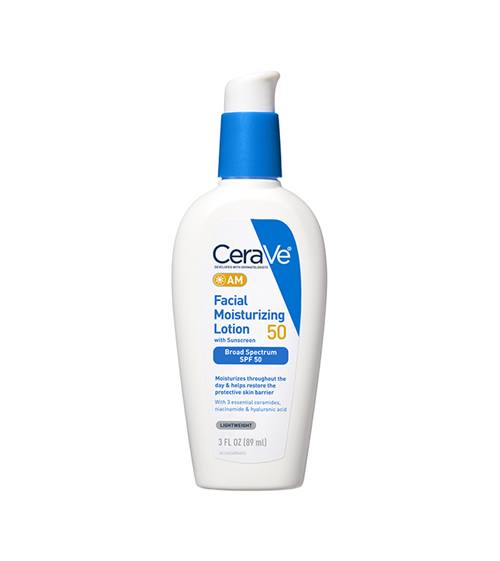
CeraVe AM Facial Moisturizing Lotion SPF 50
A moisturizer with SPF to compare for everyday use. Follow the label for application and reapplication. A sunscreen still belongs alongside shade and protective clothing, not instead of them. Shop here
Before Booking an Office Treatment
Bring your current skincare list to the consultation and ask who will perform the treatment, what result is realistic, whether a series is needed and what your aftercare will involve. The American Academy of Dermatology notes that some people need a series of treatments, not a single visit. Do not treat one appointment as a guaranteed fix.
Ask a dermatologist first if you scar easily, have used isotretinoin or have a spot that is growing, bleeding or changing. A changing spot needs an assessment rather than an attempt to scrub it away. Your own clinician should decide whether a treatment is appropriate for you.
Keep the Follow-Up Simple
After an office treatment, follow the provider’s skincare and sun-protection plan. Do not add an exfoliator just because it appears in this shopping guide. If a product stings, causes irritation or does not fit the instructions you were given, stop and ask the provider what to use instead.
More Skincare Reading
For the wider routine, see my over-40 skincare favorites and more products to browse. For sleep, workouts, hair and the rest of the daily picture, read the over-40 healthy living routine. Keep the choices separate so you can shop for the step you actually need.
This is general information, not medical advice. The skincare distinctions and safety notes above are based on the American Academy of Dermatology’s microdermabrasion and at-home exfoliation guidance.