This post contains affiliate links. I may earn a commission if you shop through them, at no extra cost to you.
I loved the Louisiana Museum and lunch there on our Copenhagen trip. It is the sort of day that makes removable layers useful: a walk outside, time in the galleries, then a table for lunch. These combinations are about that change of setting, rather than dressing for a full day in snow.

The question of how to layer winter clothes without the bulk starts indoors: what will you be wearing after the coat comes off? Start with the layer you will wear indoors, then add a removable knit and an outer layer with enough room through the sleeves. Three heavy pieces will not become a better outfit simply because they fit over one another.
A close-fitting base, a cardigan and a proper coat
Give each piece a different job. A smooth base stays on indoors, the cardigan is removable, and the coat needs room through the upper sleeves. Button the coat and reach forward before leaving; if the shoulders pull, take out a layer rather than squeezing everything in.

Shop herePhoto credit: HANRO

Shop herePhoto credit: Alex Mill
Shop herePhoto credit: AGOLDE
Shop herePhoto credit: Max Mara
A black wool-silk base: HANRO Woolen Silk
Fitted wool-silk v-neck top. The close-fitting wool-silk top slides beneath a cardigan without adding a thick cuff or collar. Its V-neck leaves the cardigan neckline clear. Let it be the simple indoor layer, with the cardigan and coat doing different jobs around it. Shop here
A coffee merino cardigan: Alex Mill Elizabeth Street
Coffee merino cardigan. The cardigan is the layer to take off at lunch, so it needs to look right on its own over the fitted base. Coffee softens the black top and coat. Its relaxed shape needs room inside the coat sleeve; check the upper arm before buttoning everything up. Shop here
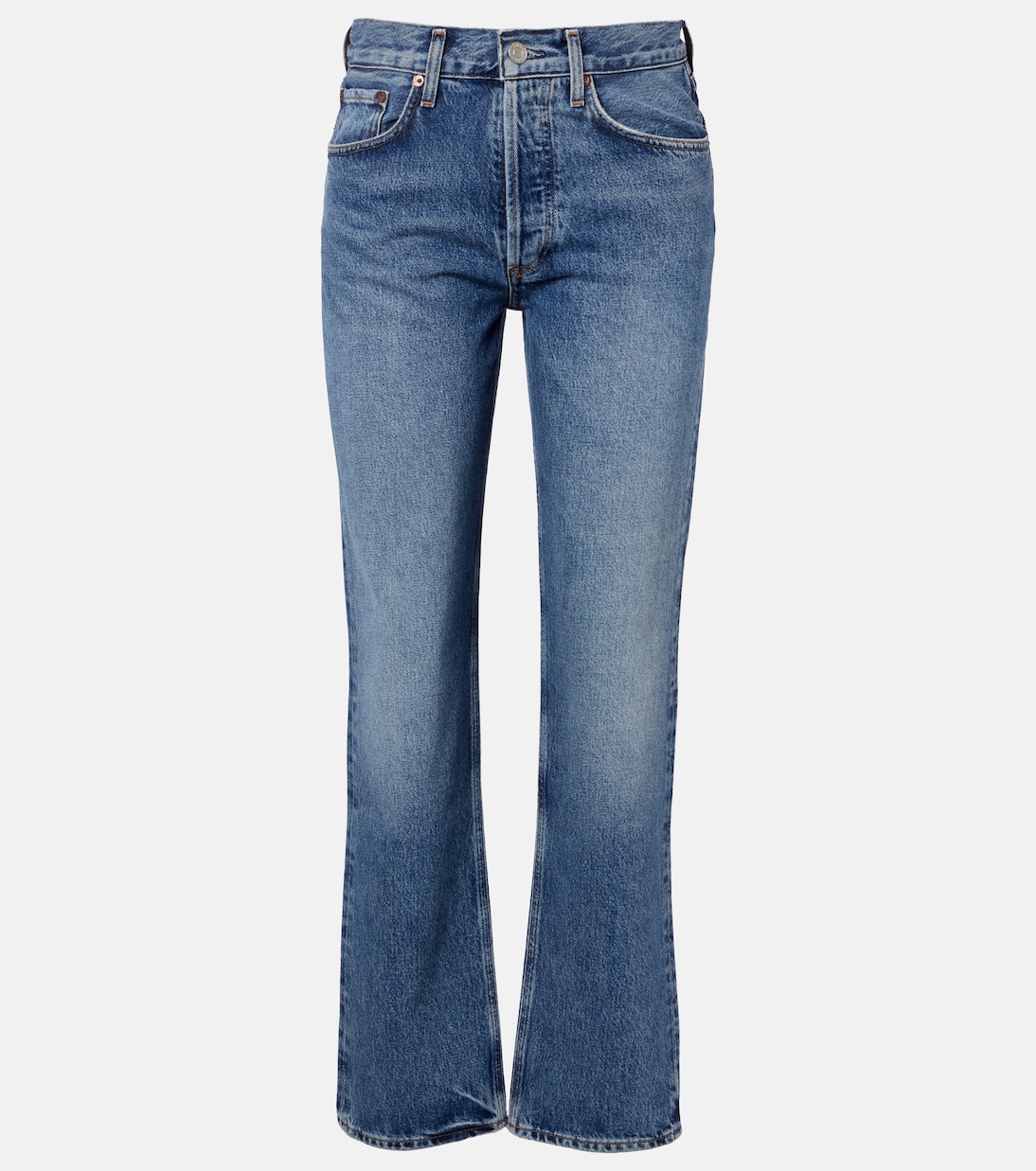
Straight blue jeans: AGOLDE Lana in Liberty
High-rise straight-leg jeans. Blue denim breaks up the darker layers without adding another texture at the waist. The straight leg gives the cardigan a clear shape to sit over. Keep the hem separate from the boot shaft rather than letting it stack over the ankle. Shop here
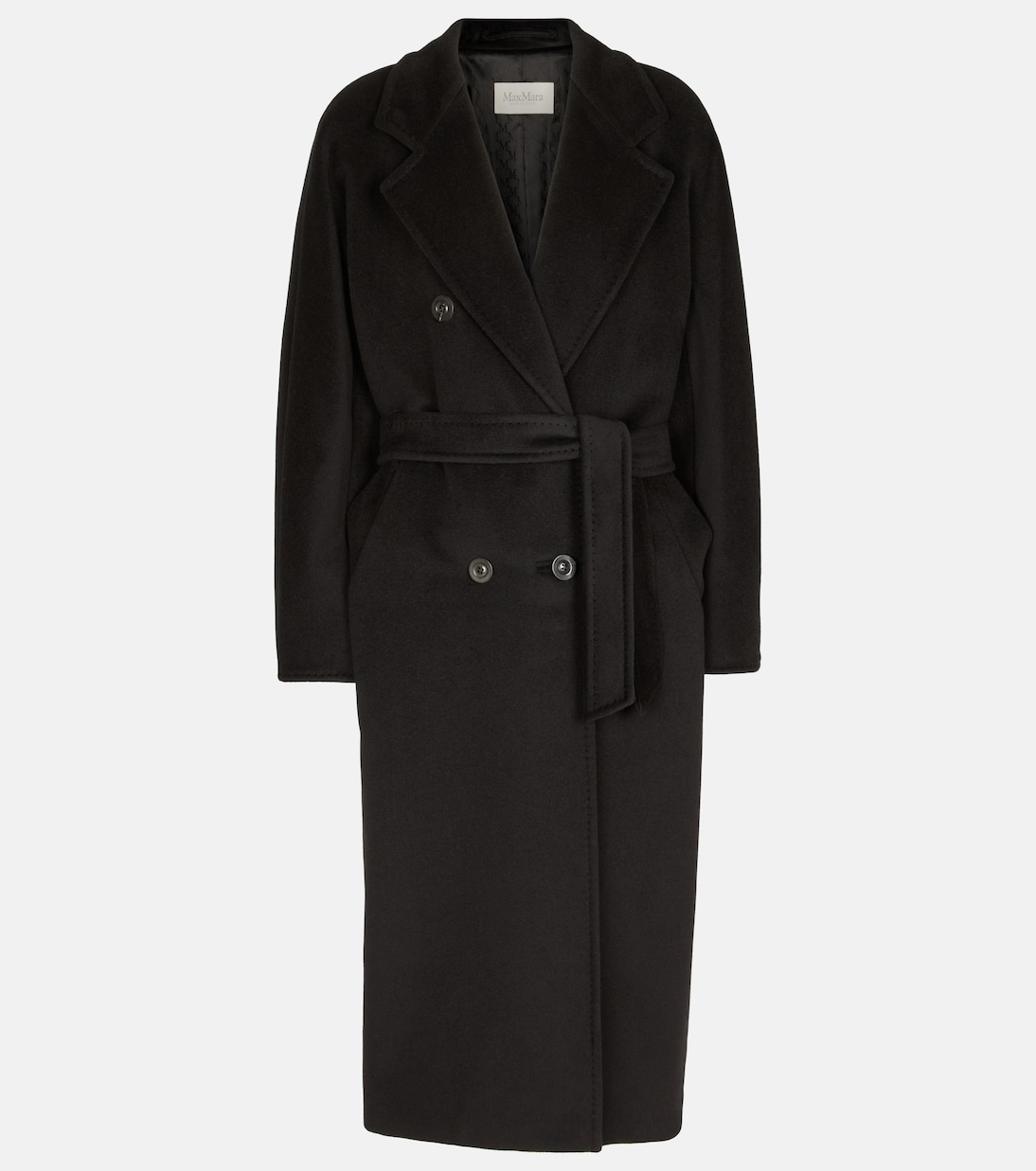
A black wool-cashmere coat: Max Mara Madame
Belted wool-cashmere coat. The long coat brings the shorter indoor layers together. Wear the belt loosely enough that it does not crush the cardigan into the waist. A substantial outer layer is the reason to keep the two pieces underneath lighter. Shop here
A shirt, a fine knit and tailoring
Smooth the shirt sleeves before adding the knit, then leave the collar or a small strip of cuff visible. You do not need a collar, cuffs and a long shirt tail competing at once. Keep thick folds of fabric away from the waistband.

Shop herePhoto credit: AYR

Shop herePhoto credit: NAADAM
Shop herePhoto credit: Joseph

Shop herePhoto credit: Veronica Beard
A white cotton shirt: AYR The Deep End
White cotton button-down shirt. A white collar makes the knit-and-jacket combination feel deliberate. This cotton oxford has more body than a sheer shirt, so smooth the sleeves before adding the knit and keep the waist from collecting too much tucked fabric. Shop here
A black cashmere V-neck: NAADAM Lightweight
Lightweight cashmere v-neck. The V opening leaves space for the shirt collar instead of covering it. This is the middle layer, not the base. Check the combined sleeves under the jacket, and leave the jacket open if closing it pulls across the chest. Shop here
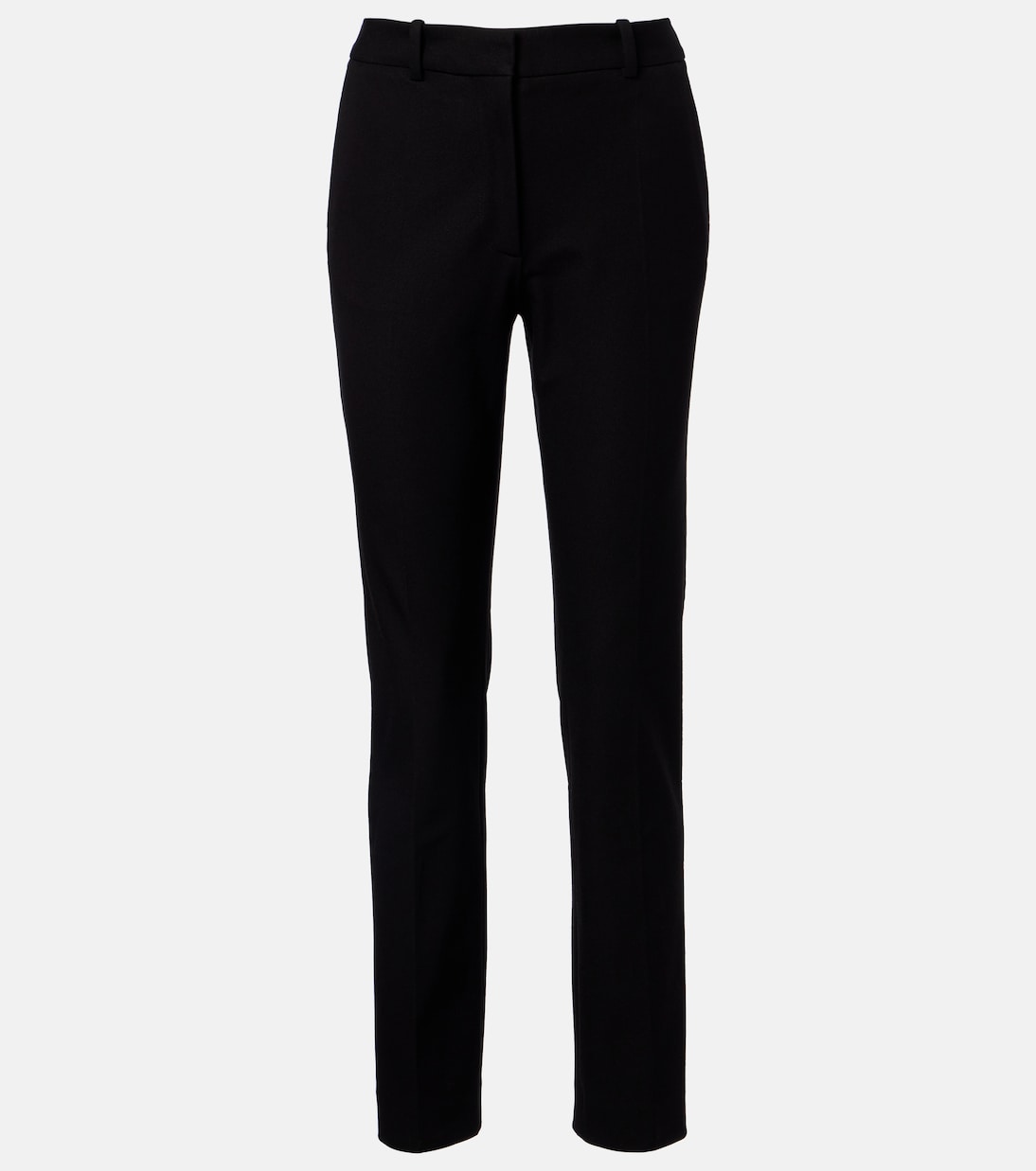
Black slim gabardine trousers: Joseph Coleman
Black slim gabardine trousers. A slim trouser line gives the shirt and knit somewhere to end. Keep the waistband free of a thick roll of shirt fabric. The black fabric carries the darker knit through the outfit while the white collar stays the point of contrast. Shop here
A navy pinstripe jacket: Veronica Beard Bettina
Navy pinstripe double-breasted jacket. The elongated jacket adds shape over the shirt and V-neck. Its fitted waist means the layers underneath need to lie flat. Try the jacket both open and closed before deciding how much shirt to tuck. Shop here
A slip dress, a short-sleeve base and a short jacket
This is the indoor-dinner combination, with the long outer coat added for cold travel between stops. A short-sleeve turtleneck puts a clear high neckline under the slip dress without crowding the jacket sleeves. Test the outfit sitting down as well as standing.
Shop herePhoto credit: Wolford
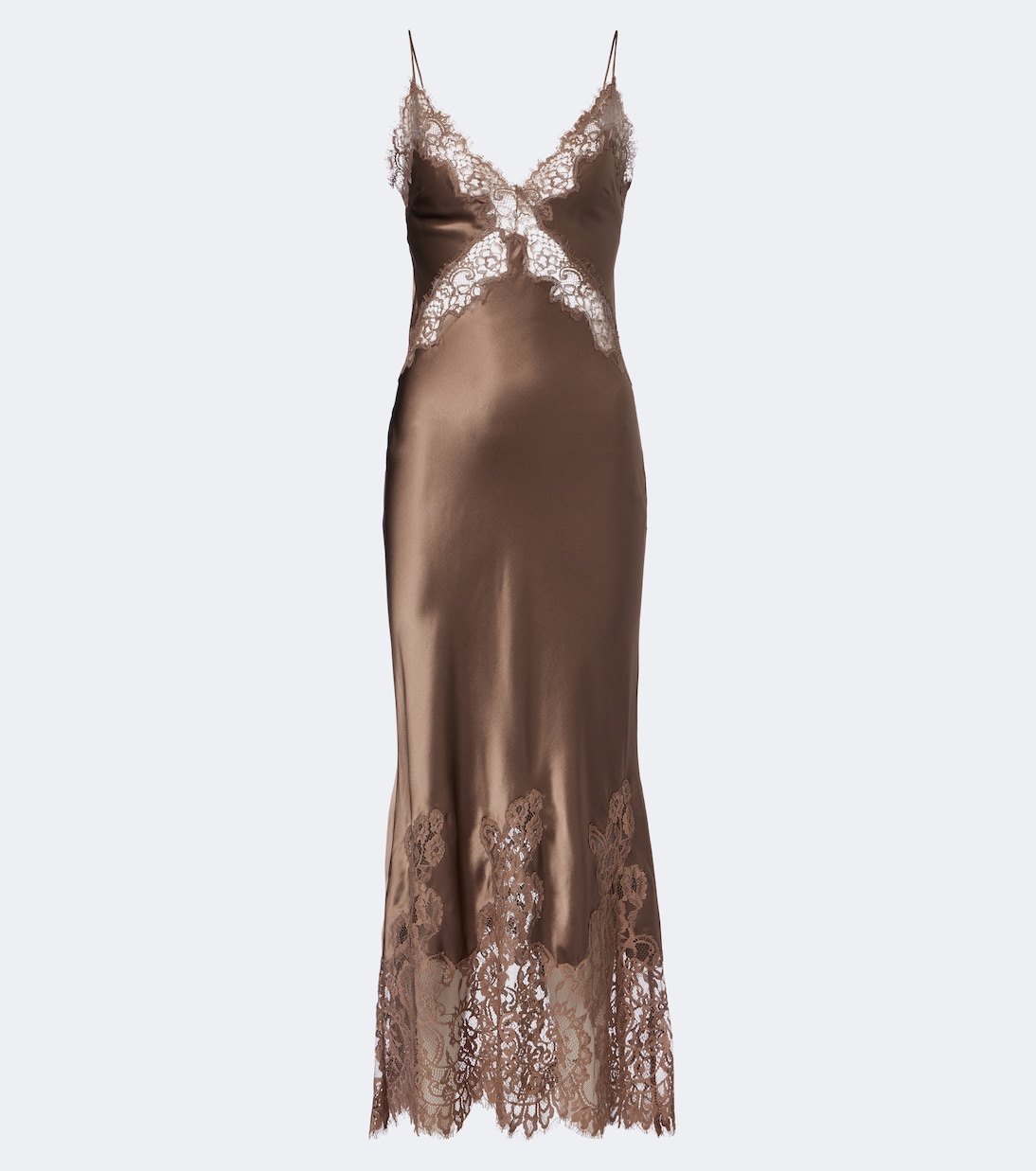
Shop herePhoto credit: Rebecca Vallance
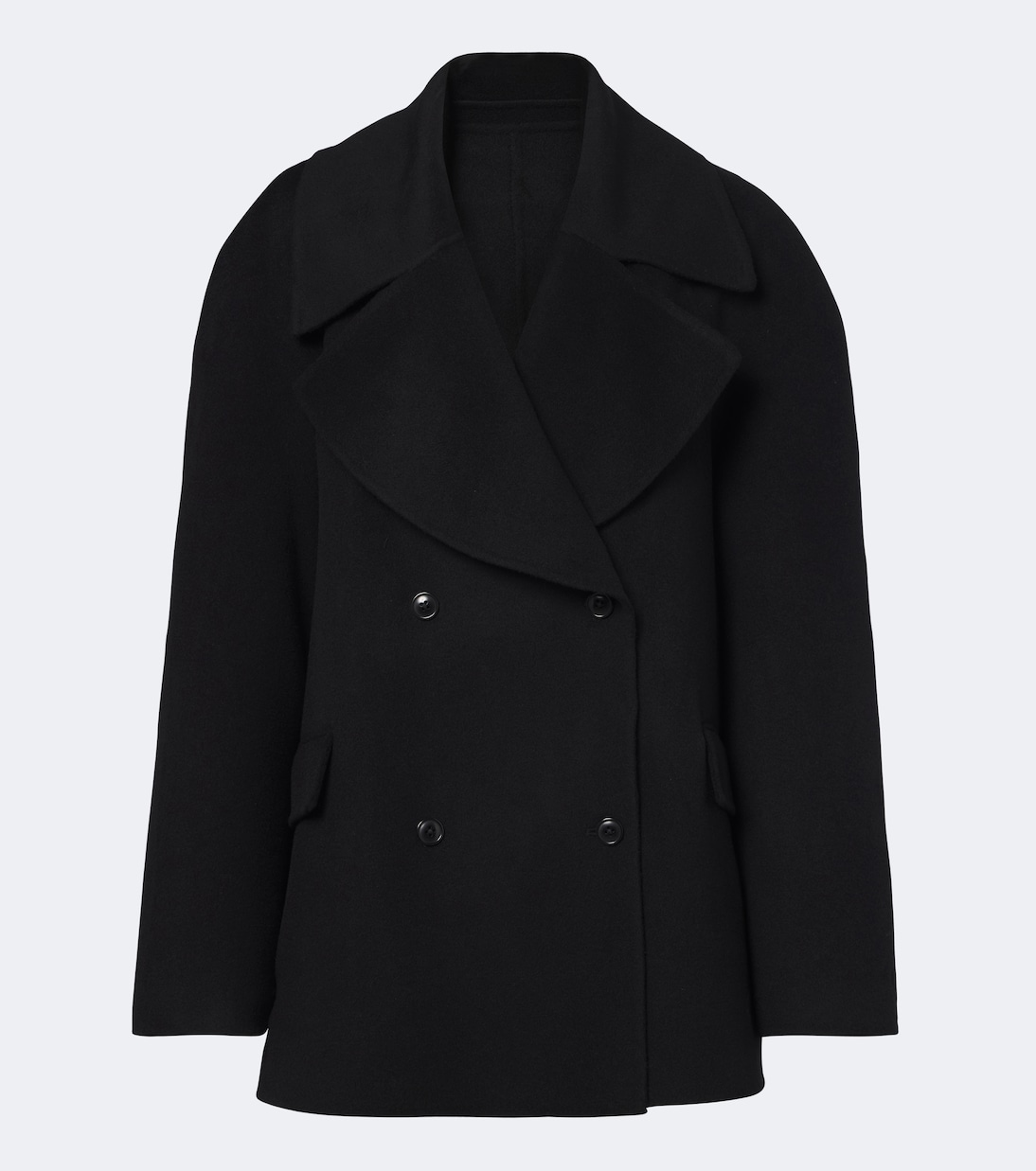
Shop herePhoto credit: Loulou de Saison

Shop herePhoto credit: Margaux
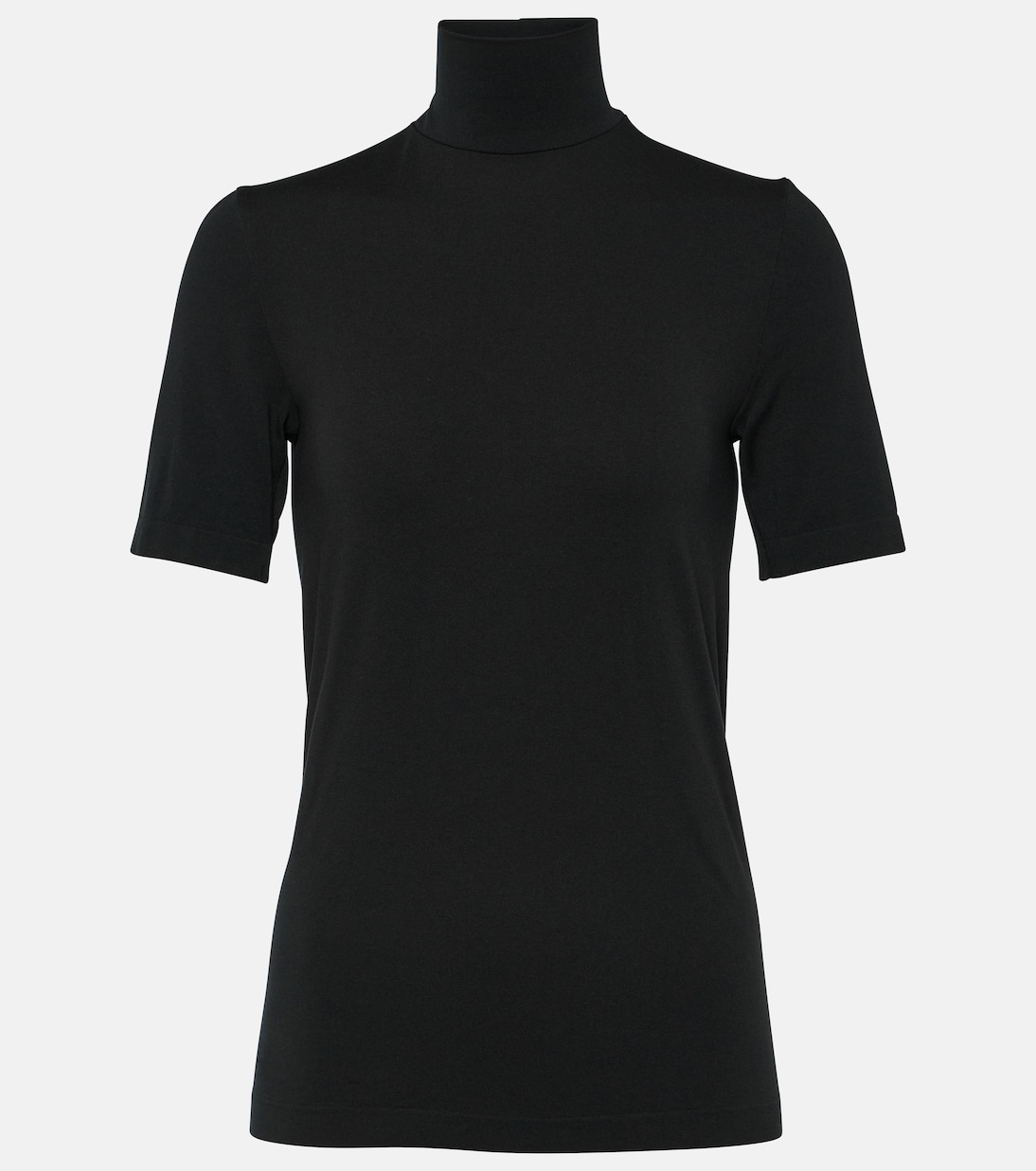
A black short-sleeve turtleneck: Wolford Aurora
Fitted short-sleeve turtleneck. Short sleeves keep the upper arm clear under the jacket, while the high neck makes the layer beneath the dress look deliberate. Check the top and slip together so that the fitted fabric lies smoothly under the silk. Shop here
A mocha lace-trim slip dress: Rebecca Vallance Ellen
Brown lace-trim silk slip dress. Mocha silk changes the mood without needing more volume. Keep the underlayer smooth and let the lace edge remain visible below the short jacket. This is the dinner combination, with the long coat added for the trip between places. Shop here
A short black wool-cashmere jacket: Loulou de Saison Neil
Short double-breasted wool-cashmere jacket. The shorter jacket leaves the dress hem and lace visible. Button it to check the shape, then wear it open if that gives the silk more room to fall. It is an indoor-dinner layer here, with a longer coat for cold travel. Shop here
An espresso ankle boot: Margaux Downtown
Espresso leather ankle boots. Dark brown leather follows the mocha dress without turning the whole outfit black. The pointed toe keeps the line clear below the skirt. Make sure the dress hem clears the boot instead of catching at the top. Shop here
Where winter layers get bulky
Look first at the places where fabric collects: the underarm, the tucked waist and the back of the neck. A thick cuff folded under a narrow jacket sleeve can be more awkward than the knit itself. Keep one substantial texture in the outfit and let the layers around it stay quieter.
Longer is not automatically better. A shirt hem can show beneath a short knit if the line is intentional, but a long cardigan, long shirt and midi coat can make every layer stop at a different point. Take one away before adding another accessory.
How many layers do you need?
There is no fixed number that works for every forecast. For an ordinary indoor-outdoor day, start with a base, one removable middle layer and the outer layer the weather calls for. Add a scarf or change the outer layer to suit the day, rather than putting another thick knit under a coat that already feels tight.
Can you layer two knits?
Yes, if one is fine enough to sit cleanly under the other. Check the shoulders and upper sleeves, not just the waist. Two substantial knits often need a much roomier coat than a thin base and cardigan do.
More ways to put winter outfits together
For different knit shapes, see the sweater guide. For the outer layer, see long wool coats for women.
Shop the Post
- A black wool-silk base: HANRO Woolen Silk: Shop here
- A coffee merino cardigan: Alex Mill Elizabeth Street: Shop here
- Straight blue jeans: AGOLDE Lana in Liberty: Shop here
- A black wool-cashmere coat: Max Mara Madame: Shop here
- A white cotton shirt: AYR The Deep End: Shop here
- A black cashmere V-neck: NAADAM Lightweight: Shop here
- Black slim gabardine trousers: Joseph Coleman: Shop here
- A navy pinstripe jacket: Veronica Beard Bettina: Shop here
- A black short-sleeve turtleneck: Wolford Aurora: Shop here
- A mocha lace-trim slip dress: Rebecca Vallance Ellen: Shop here
- A short black wool-cashmere jacket: Loulou de Saison Neil: Shop here
- An espresso ankle boot: Margaux Downtown: Shop here