This post contains affiliate links. I may earn a commission if you buy through these links, at no extra cost to you.
For a while now I have been dealing with more hair shedding in perimenopause than I used to, and it has made me far more deliberate about my routine. I have been taking minoxidil, and I like topical products too, so I have spent real time understanding what actually helps, what only looks like it helps, and what is worth asking a doctor about. This is everything I have learned, plus the gentle care edit I would build for anyone in the same season.
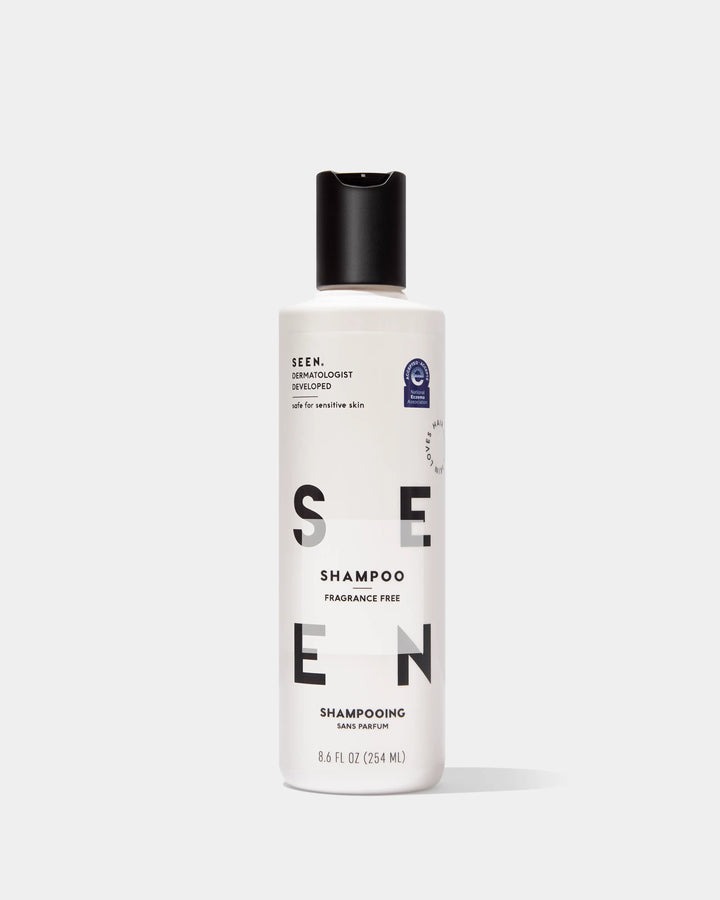
Shop here
Photo credit: SEEN
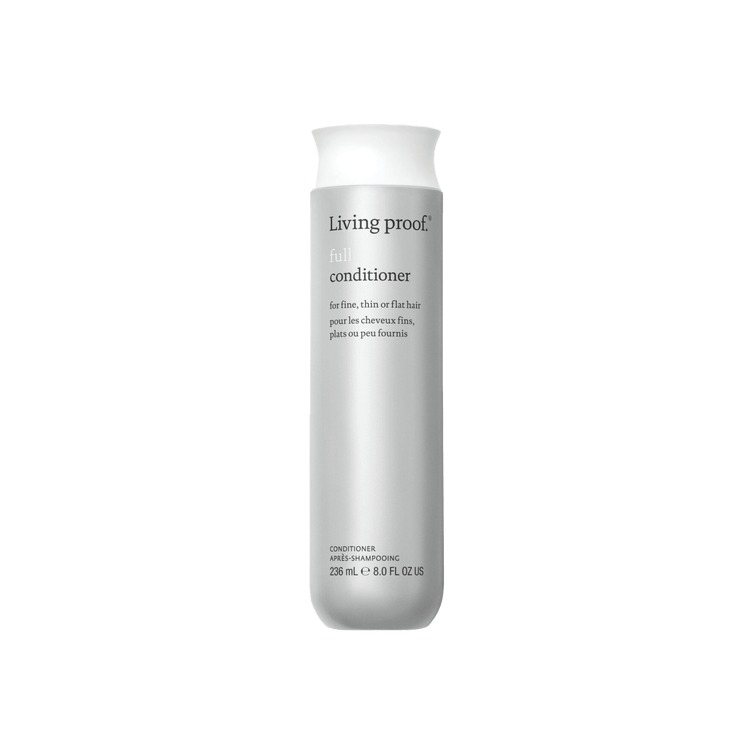
Shop here
Photo credit: Living Proof
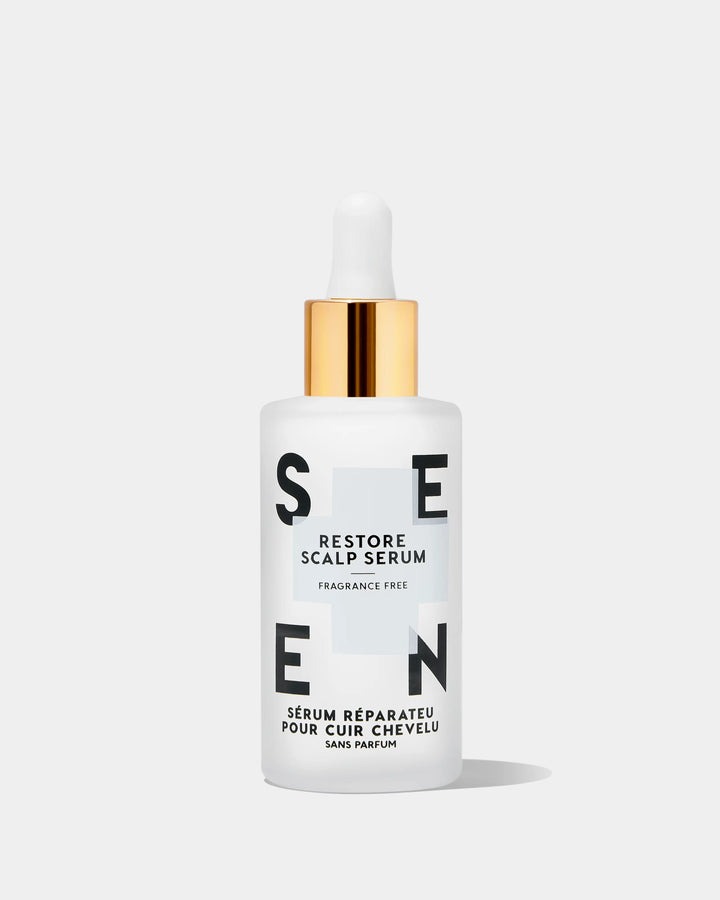
Shop here
Photo credit: SEEN
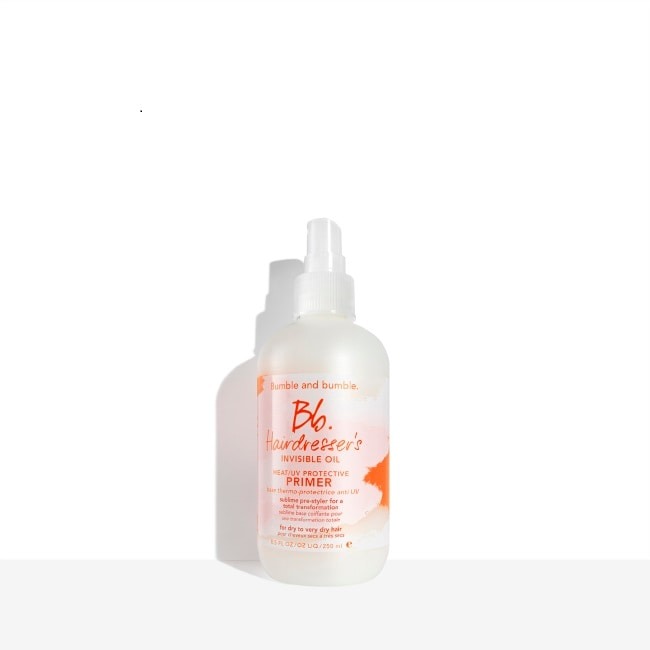
Shop here
Photo credit: Bumble and bumble
Shedding, thinning and breakage are not the same thing
Before buying anything, it helps to know which problem you actually have, because they look similar in the brush and they are not. Shedding means more hairs than usual completing their cycle and falling out from the root, often a few months after a trigger like illness, stress or a hormonal shift. Thinning is a gradual change in density, usually along the part line or crown, and it tends to creep rather than arrive all at once. Breakage is different again: the shaft snaps from heat, color or rough handling, so you see shorter pieces and frayed ends rather than full strands with a root.
The reason this matters is simple: the right response to each one is different, and a product that is lovely for one does nothing for another.
Where hair shedding in perimenopause fits in
Hair changes are a recognised part of the menopause transition, and shifting hormones can show up as more fall in the shower, a wider part or a ponytail that feels thinner than it used to. But perimenopause is not automatically the explanation. Low iron, thyroid changes, stress, illness and weight shifts can all overlap in the same years, and more than one cause can run at the same time. I think of this stage as a reason to pay attention, not a diagnosis.
Treatment versus care
Topical minoxidil is the most evidence-backed over-the-counter treatment for female pattern hair loss, and it is the route I have taken, with the caveat that it works slowly, over months, and it suits some situations better than others. A dermatologist can tell you whether your pattern is the kind it addresses, because shedding after a trigger often settles on its own and does not necessarily need medication at all. What no serum, shampoo or supplement can do is replace that assessment.
Cosmetic care earns its place differently. The right products keep the hair you have in better condition, reduce breakage, calm a tight scalp and make hair look fuller while anything slower does its work in the background. That is a real benefit, it is just an appearance and handling benefit, not regrowth.
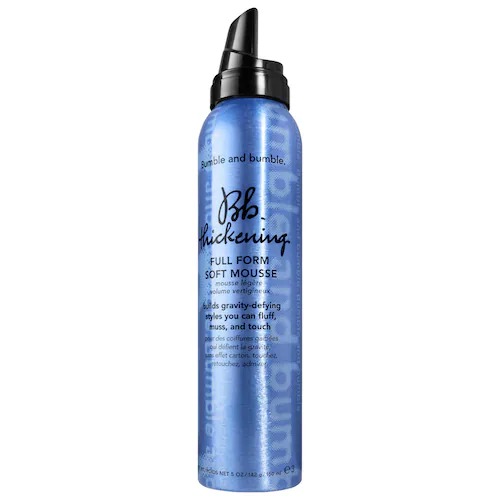
Shop here
Photo credit: Bumble and bumble
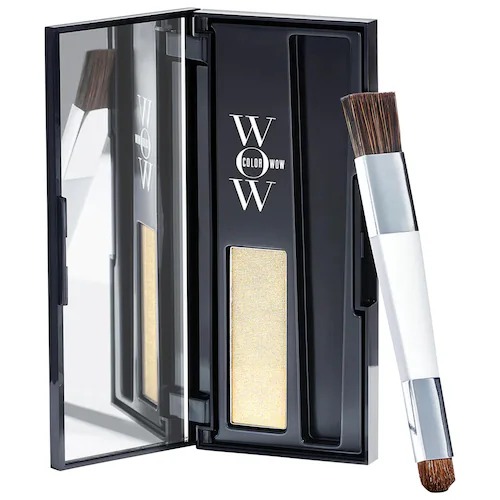
Shop here
Photo credit: Color Wow
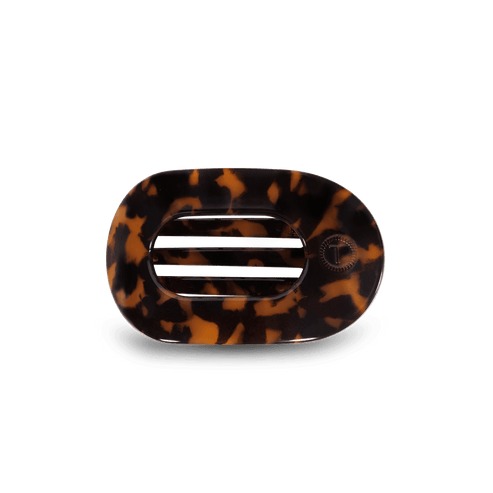
Shop here
Photo credit: TELETIES
The gentle care edit
Everything I look for now earns its place in one of a few clear roles. A gentle shampoo for thinning hair that cleans without stripping, since a squeaky, dry scalp makes everything look worse. A lightweight conditioner for fine hair that softens lengths without flattening what volume there is. A scalp serum for comfort, because a calm scalp is a better starting point than an irritated one. And a heat protectant primer on the days heat is involved, because every hot pass is breakage risk you can reduce.
Then the cosmetic layer: a volumising mousse for fine hair used sparingly at the roots, and a root touch up powder for the days the part line feels too visible. None of these treat anything, and I do not expect them to. They make the in-between months feel better.
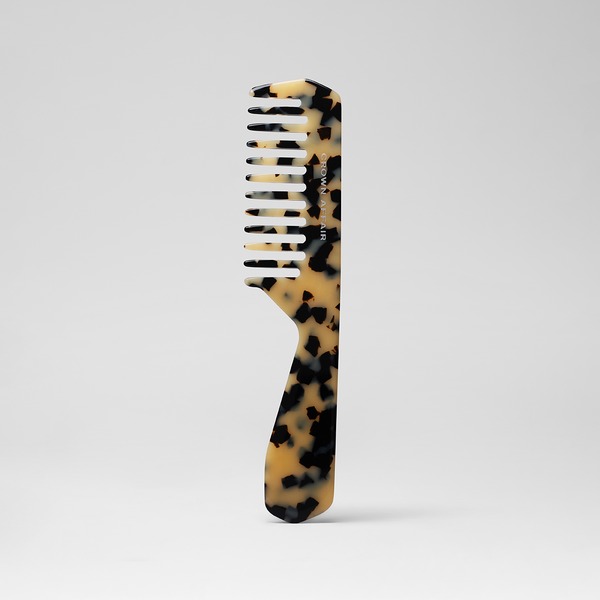
Shop here
Photo credit: Crown Affair
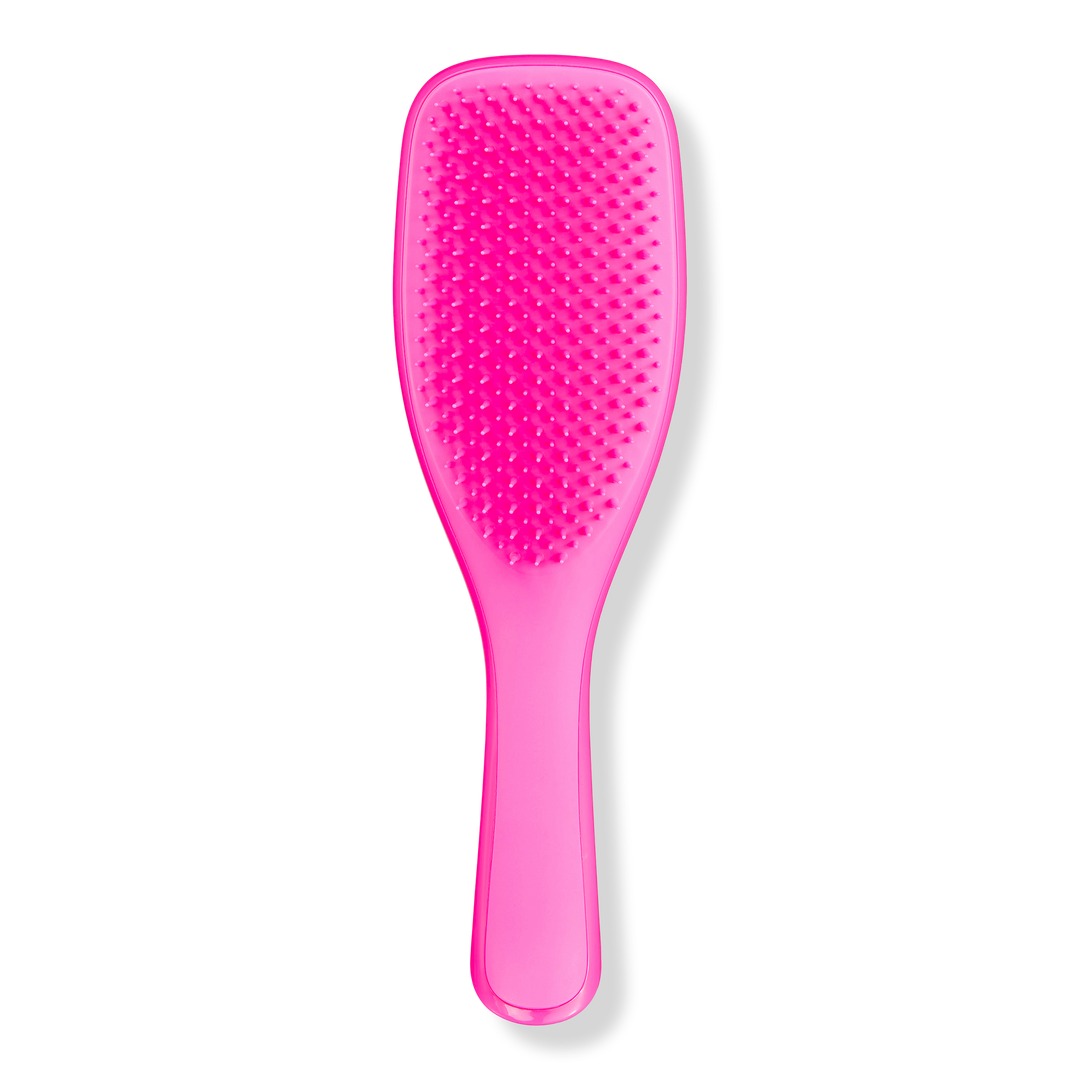
Shop here
Photo credit: Tangle Teezer
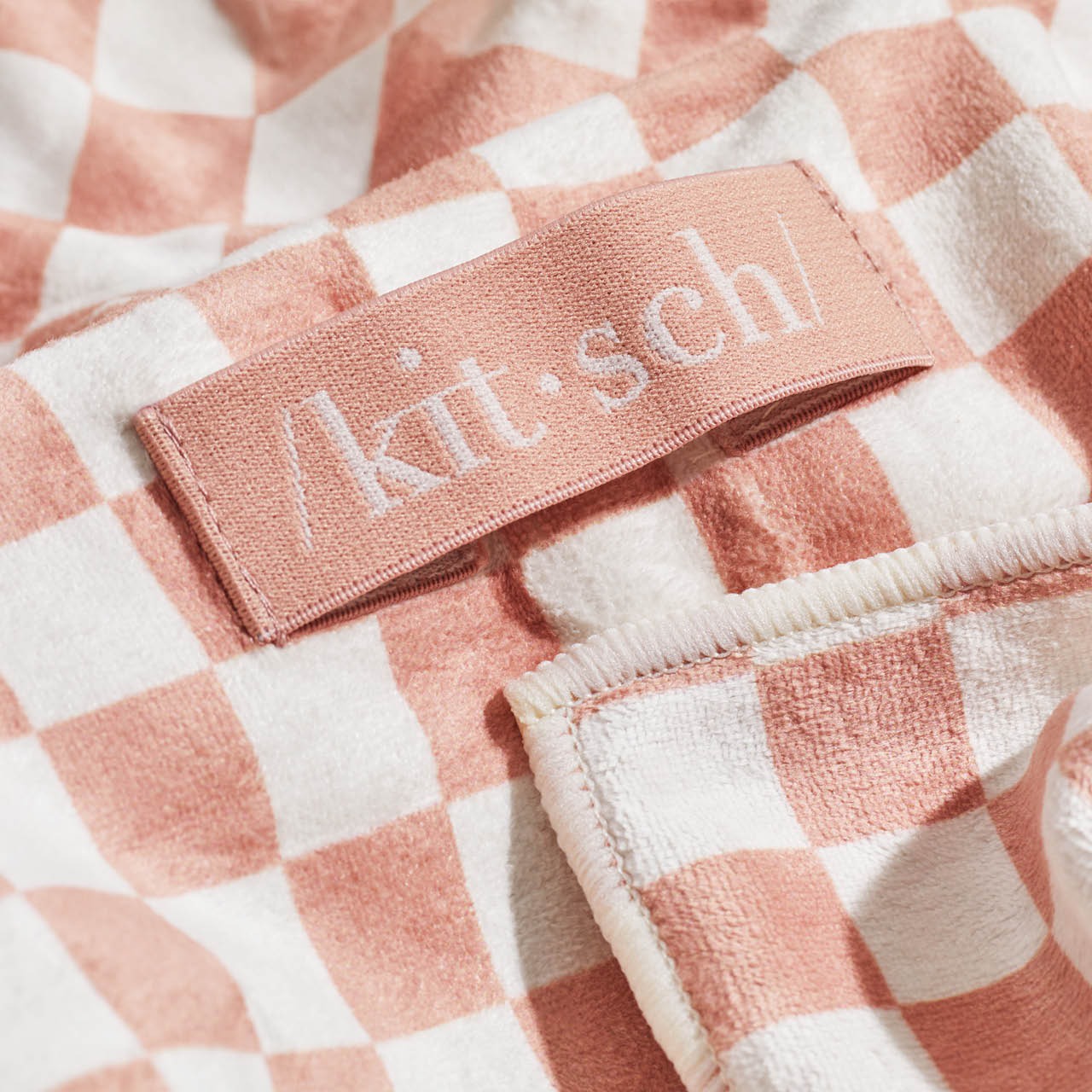
Shop here
Photo credit: KITSCH
Tools matter more than I used to think. Wet hair stretches and snaps, so a wide-tooth comb for wet hair instead of a brush, a gentle detangling brush used from the ends upward, a microfiber hair towel instead of rough terry, and gentle flat hair clips instead of tight elastics all reduce the daily mechanical loss that is fully within your control.
Keeping the routine manageable at home and away
The routine that survives is the short one, few enough steps that it actually happens: a gentle wash, conditioner on the lengths, one scalp step, done. The same logic travels well. Decant what works rather than improvising with hotel minis and a rough towel, because consistency matters more than any single product, and whatever treatment path you choose with your doctor only works if the everyday handling around it stays kind.
The questions I asked myself
Can a scalp serum replace treatment? No. A good serum can comfort the scalp and improve how hair looks and behaves, but it is not a treatment for hair loss, and it should not be sold to you as one.
Is shedding always perimenopause? No. It can be, but stress, illness, iron, thyroid and plain breakage all overlap in these years, which is why a proper look at the cause is worth more than any product.
When is it worth getting checked? If shedding is sudden or heavy, if your part is widening steadily, if you notice scalp changes, or if it is simply worrying you. A GP or dermatologist can check the common causes quickly, and earlier is easier than later.
Shop the Post
- fragrance-free gentle shampoo for thinning hair
- lightweight conditioner for fine hair
- fragrance-free scalp serum
- heat protectant primer
- volumising mousse for fine hair
- root cover up powder
- wide-tooth detangling comb
- gentle detangling brush
- XL microfiber hair towel wrap
- small flat round hair clip
More to read: My Quiet Luxury Hair Routine, Everyday Essentials for Women Over 40 and Designer Headbands and Hair Accessories Worth the Investment.