This post contains affiliate links. I may earn a commission if you buy through these links, at no extra cost to you.
The best concealers for women over 40 should help with the darkness or discoloration you want to cover without making the rest of your skin look overloaded. I would start with the finish, then the coverage. A thick layer is not automatically the answer, especially under the eyes.
There is no concealer that makes expression lines disappear. The useful question is whether a formula gives you enough coverage in a small amount, blends comfortably and suits the part of the face where you plan to use it. Under-eye darkness and one small spot on the cheek can call for different things.
For this guide, I would choose by the finish and coverage you want rather than assuming every woman over 40 needs the same formula.
Shop here
Photo credit: Tower 28
Shop here
Photo credit: NARS
Shop here
Photo credit: Hourglass
Shop here
Photo credit: Haus Labs
Choose the finish before choosing the coverage
For a dry under-eye area, I would look first at a flexible cream or liquid with a natural finish. That does not mean the richest formula is always the best one. It still needs to sit comfortably over your skin care rather than sliding around on top of it.
For a small blemish or dark mark, the priority changes. A more concentrated formula can make sense when you want coverage in a very small area. You do not need to use the same amount, or necessarily the same concealer, across your whole face.
The product descriptions below will separate lightweight, buildable coverage from fuller coverage. Neither is a promise of a crease-free day. Skin type, skin care underneath and how much you apply all matter.
The concealers to compare
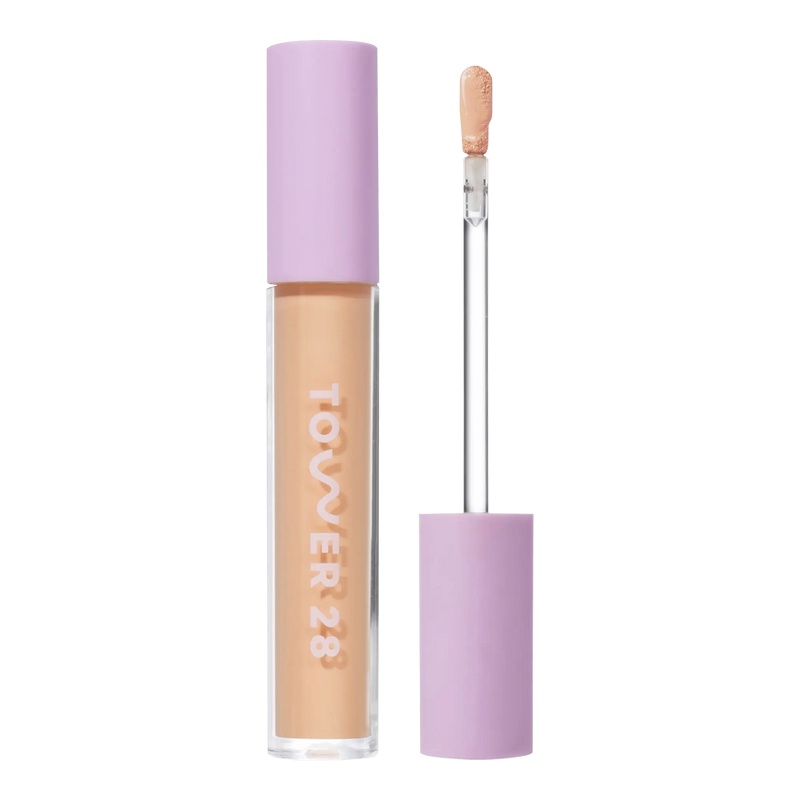
Tower 28 Swipe Serum Concealer: medium coverage with a skin-like finish
If you are looking for a lighter-feeling option rather than the fullest coverage, I would compare the serum-texture concealer from Tower 28. The brand describes medium, buildable coverage and a hydrating, natural finish. This is the lighter-coverage direction I would compare before moving to a more concentrated formula.
The useful distinction is the medium coverage. It may suit you if you want to soften the look of darkness without taking the whole face to a more covered finish. If you need very strong coverage in one pass, compare one of the fuller-coverage options instead of adding layer after layer.
The photo shows 7.0 KTOWN, a medium shade with neutral undertones, as a display example. Choose by your own complexion rather than the color in the photo. Shop the medium-buildable serum concealer.
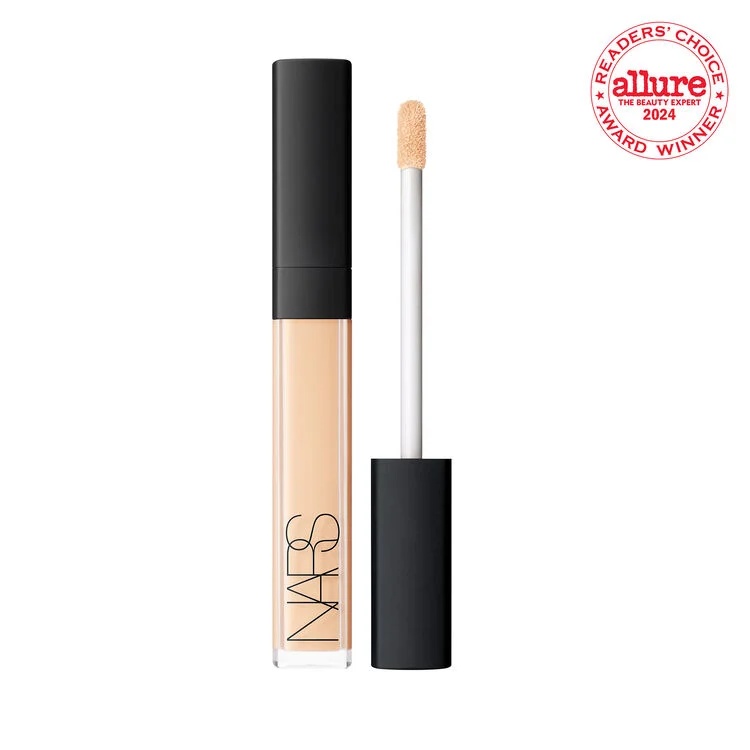
NARS Radiant Creamy Concealer: medium coverage with a luminous finish
If you want coverage you can build rather than a thick layer from the start, I would put the medium-coverage luminous concealer on your list. The brand describes it as medium, buildable coverage with a luminous finish. That makes it a useful starting point if a flat matte finish tends to emphasize the dryness you are trying not to draw attention to.
I would use a small amount where you see darkness, blend, then decide whether another light layer is needed. Luminous does not mean it can erase a crease, and buildable does not mean more is always better. If you prefer a completely matte finish, this is not the obvious match.
The tube and wand shown are Cannelle L2.75 as a display example, not a universal shade recommendation or a claim that this is my shade. Use the brand’s shade-matching help to choose your own depth and undertone. Shop the medium-coverage liquid concealer.
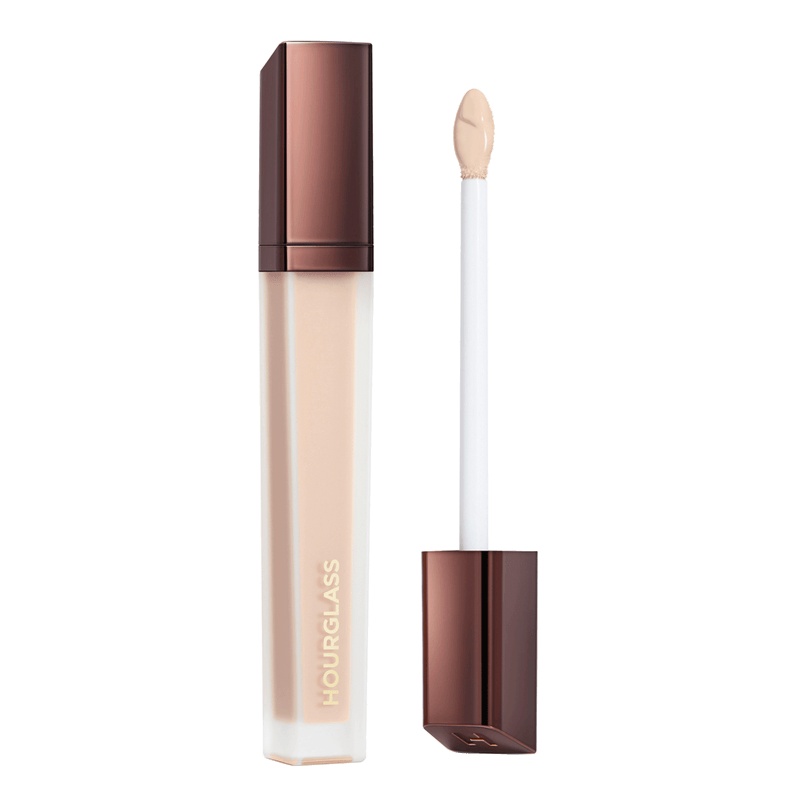
Hourglass Vanish Airbrush Concealer: concentrated coverage for targeted areas
The concentrated full-coverage liquid concealer is another full-coverage liquid, but the reason I would compare it is the concentrated pigment. Hourglass describes a formula designed to give strong coverage with a small amount. For a dark inner corner or a small area of discoloration, that makes more sense than spreading a generous swipe across the whole under-eye area.
The brand uses microspherical powders for a soft-focus effect. I would treat that as a finish to compare on your own skin, not a promise that lines disappear. Start with less than you think you need and blend before adding any more. If your under-eye area is particularly dry, check how the finish sits over your usual skin care rather than assuming fuller coverage is the answer.
Stone 1.3 is the display shade in this photograph, not my shade or the right shade for every reader. Shop the concentrated full-coverage concealer, then use the shade guide to choose your own match.
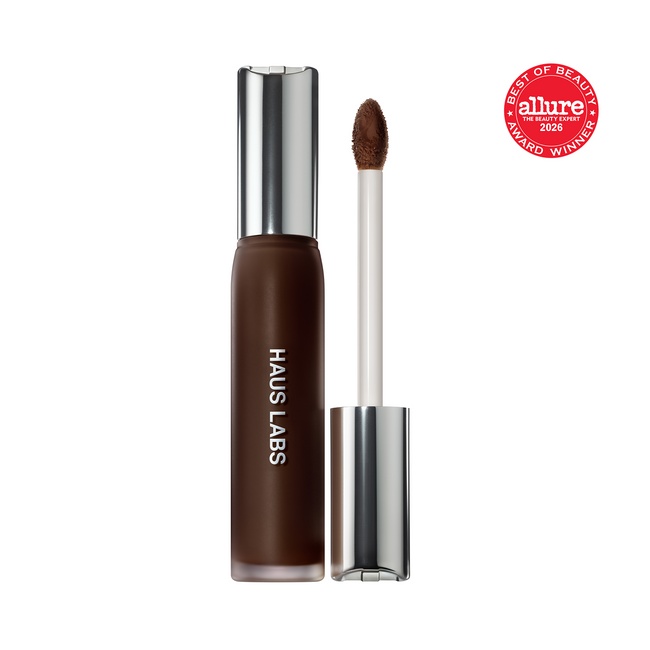
Haus Labs Triclone Skin Tech Concealer: medium coverage for a lighter-handed routine
For medium coverage, I would also compare the hydrating liquid concealer from Haus Labs. The brand describes a formula that blends easily and hydrates. I would consider it as a makeup choice, rather than counting on a concealer to replace eye care or change the skin underneath.
This is the option to compare if you want coverage between a sheer tint and a more concentrated full-coverage liquid. Apply a small amount where darkness shows, then blend before adding more. If you want strong spot coverage immediately, the fuller-coverage options may be a better starting point.
The photo shows 54 Deep Neutral as a display example. It is not my shade or a match for every reader. Shop the medium-coverage hydrating concealer and choose the depth and undertone that suit your own complexion.
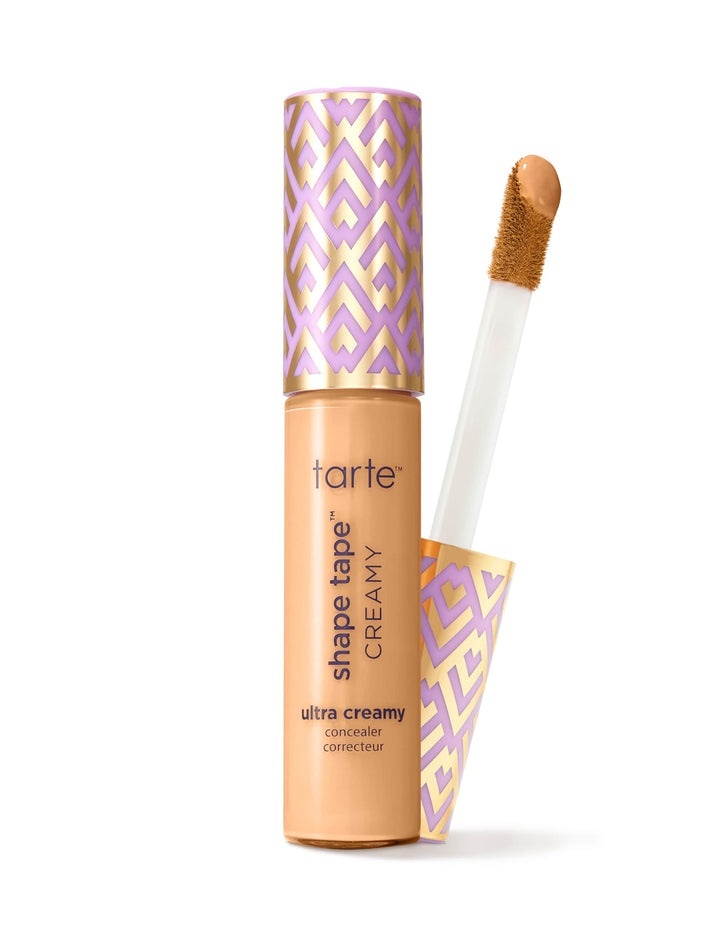
Tarte Shape Tape Creamy Concealer: full coverage with a moisturizing matte finish
If you prefer a matte finish but find some full-coverage formulas too dry-looking, I would compare Tarte’s moisturizing matte concealer. Shape Tape Creamy, formerly called Ultra Creamy, is the hydrating full-coverage formula. It is not the original Shape Tape formula simply shown in a different package.
Tarte describes a flexible, moisturizing feel. The useful combination here is full coverage with a moisturizing matte finish, rather than choosing a very luminous result just to avoid a dry finish. I would still dot on a small amount and build only where it is needed. More coverage than you want is still more coverage than you want, even in a creamy formula.
The product photo shows 36S Medium-Tan Sand, a display shade rather than my own match. Shop the full-coverage moisturizing matte concealer in your own depth and undertone.
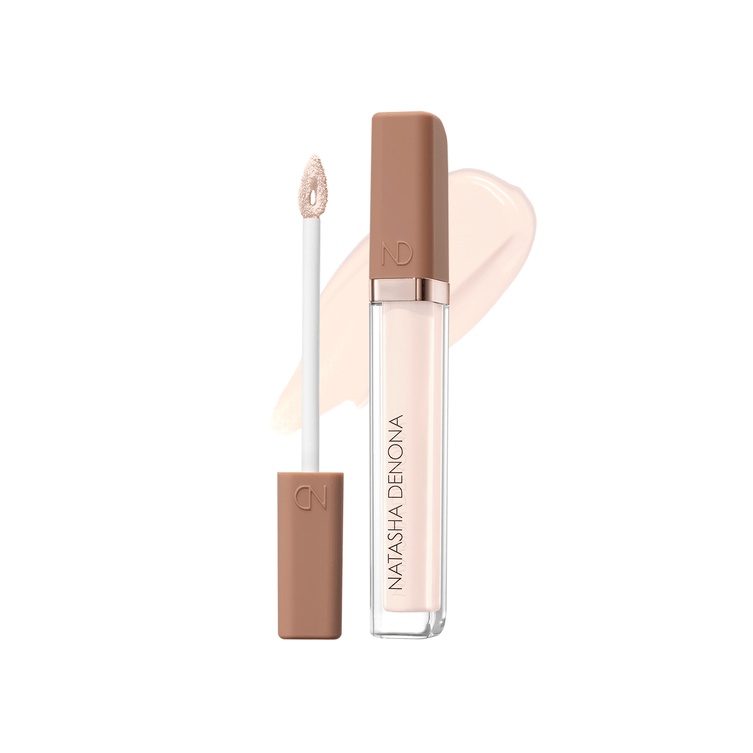
Natasha Denona HY-GLAM Concealer: a flexible luminous-matte option
The finish is the reason I would compare Natasha Denona’s luminous-matte concealer. The brand describes medium, buildable coverage with a flexible feel. That gives it a different place on the list from choosing a concealer mainly for maximum coverage or a more luminous finish.
I would start with a small amount under the eyes and see whether the finish suits your skin before adding more. The brand’s smoothing language is about the appearance of the makeup, not a treatment that removes fine lines. If your preference is a very dewy finish, luminous matte may not be what you have in mind.
RN1, Fair Rosy Neutral, is the shade shown as a shopping reference. It is not my shade recommendation for everyone. Shop the flexible medium-buildable concealer, checking your own undertone and depth.
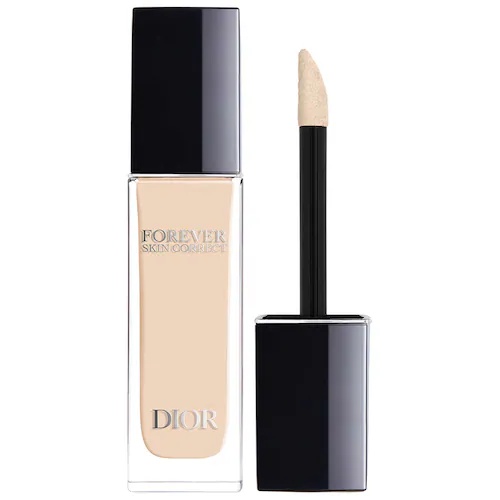
Dior Forever Skin Correct: fuller coverage with a natural finish
When darkness or uneven color needs more coverage, natural-finish full-coverage concealer is the fuller-coverage option I would compare. It is a liquid concealer with a natural finish, rather than a deliberately flat matte look. Makeup artist Sara Talias, speaking to Who What Wear, points to its serum-like consistency for dry skin. That is a more useful reason to consider it than expecting a formula to erase every line.
Full coverage still calls for a light hand. Start with a small amount only where you want the extra coverage, then blend the edges. If you prefer a sheer wash over a large area, this may be more coverage than you need. It is worth comparing it with the medium-coverage NARS rather than automatically choosing the strongest coverage.
The photograph shows 1 Neutral as a display example. It is not a recommendation for every complexion or a claim about my shade. Shop the natural-finish full-coverage concealer and check the shade range against your own skin.
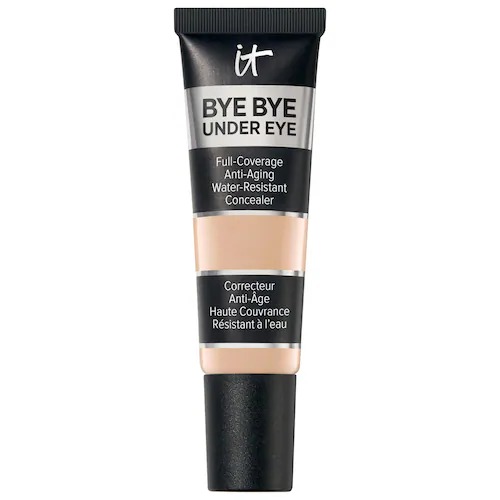
IT Cosmetics Bye Bye Under Eye: full coverage in a very small amount
If darkness is the main thing you want to cover, I would compare the concentrated waterproof under-eye concealer from IT Cosmetics. The brand describes full, waterproof coverage designed for the under-eye area, and Allure’s guide to concealers for mature skin names it as the waterproof choice. With a formula this concentrated, the amount matters more than anything: warm a tiny dot between your fingers and tap it exactly where you see darkness rather than swiping on a heavier coat.
This is the one I would keep for targeted areas rather than the whole under-eye. If you prefer a lighter, more luminous finish day to day, compare the medium-coverage options first and save this for when you want the most coverage. Waterproof describes staying power, not a promise that texture or lines disappear.
The photograph shows 10.5 Light as a display example, not a shade recommendation for every reader. Shop the concentrated waterproof under-eye concealer and use the shade guide to choose your own match.
Shop here
Photo credit: Tarte
Shop here
Photo credit: Natasha Denona
Shop here
Photo credit: Dior
How to apply concealer without piling it into fine lines
Let your skin care settle first
Start with the skin care that suits your skin, then give it time to absorb before makeup. Moisturizer and sunscreen go before makeup. More layers are not automatically better, and a slippery base can make concealer harder to keep where you want it.
You do not need to buy a separate eye cream just to use concealer. The point is to avoid applying it over uncomfortable, dry skin. If the area is irritated, give the makeup a rest rather than trying to cover the irritation with another layer.
Put a small amount on the darkness, not everywhere under the eye
Start where you actually see discoloration. That might mean a small amount near the inner corner rather than a thick triangle reaching down the cheek. Blend first, then decide whether you need more. It is easier to add a little coverage than to make a heavy layer look light again.
Use clean fingers or a clean brush and tap gently. Do not pull at the under-eye area. Follow the formula’s directions, since a fast-setting concealer and a creamy pot do not necessarily need the same technique.
A damp sponge or a small brush can replace a heavier layer
When coverage starts to look heavy, the fix is usually the tool rather than more product. I would compare two different approaches rather than assuming one tool suits every formula.
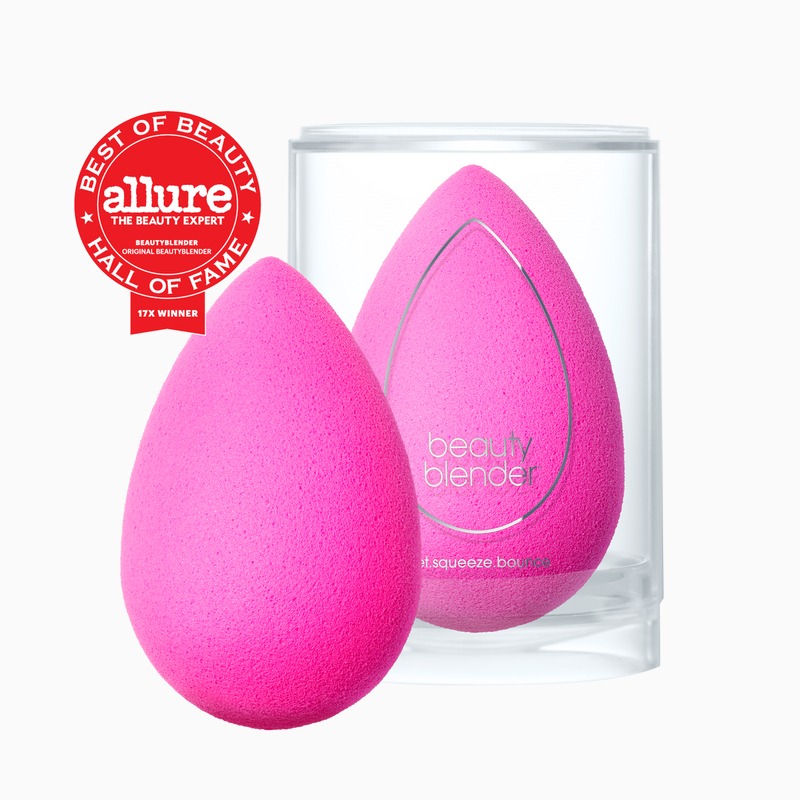
A damp pointed makeup sponge like the Beautyblender Original is made for tapping. Used damp, the pointed end reaches the inner corner and the rounded base presses a thin layer into the skin without dragging. Tapping sheers out the layer you already applied instead of adding another one, which is what helps coverage sit comfortably over texture.
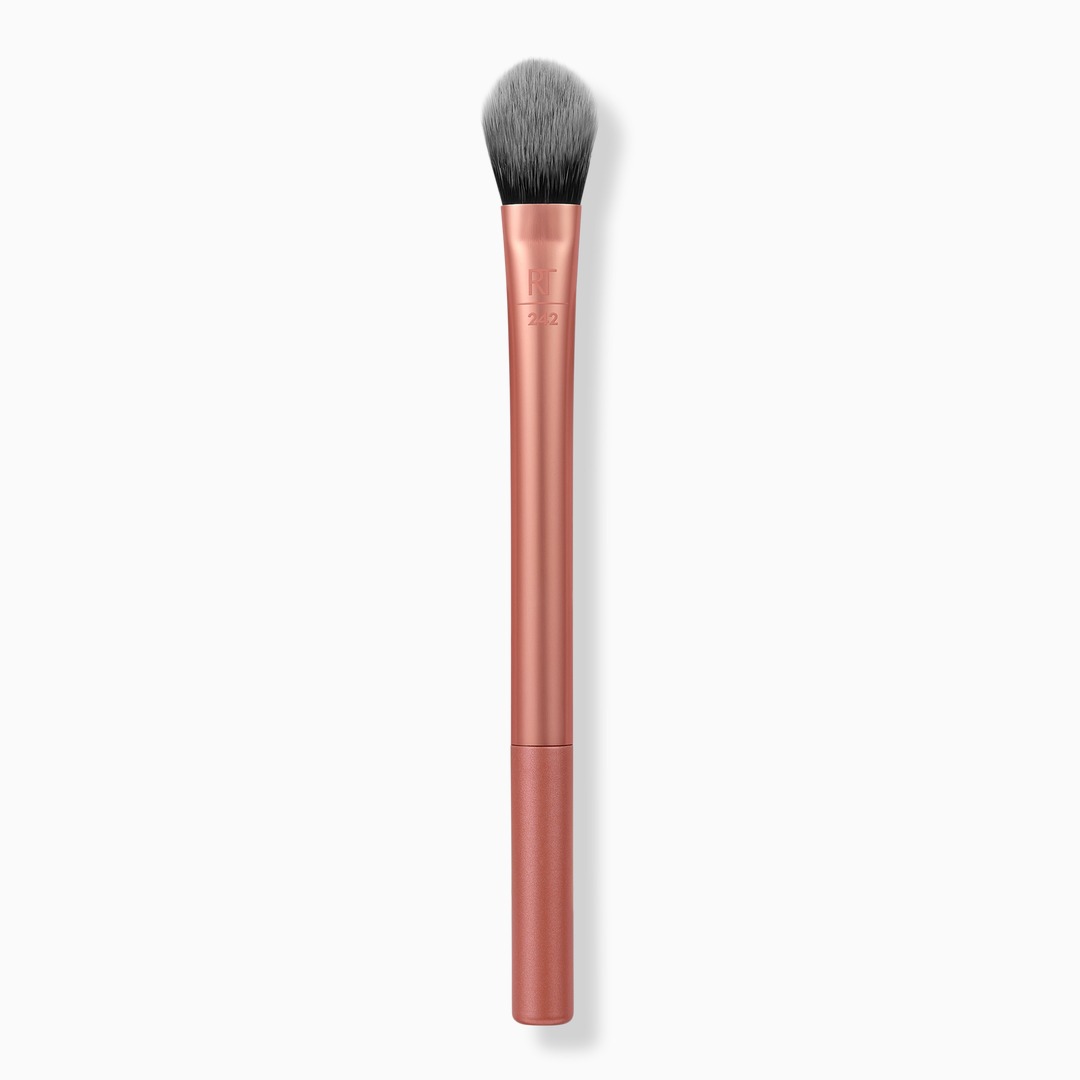
A small brightening concealer brush such as the Real Techniques Brightening Concealer Brush gives you more precision than a sponge. The small, flexible shape suits placing a small amount exactly where you want it, then softening the edges. I would reach for the brush when placement matters and the sponge when blending matters.
Whichever you use, keep it clean and tap rather than pull at the under-eye area. Shop the damp pointed makeup sponge or shop the small concealer brush.
Shop here
Photo credit: IT Cosmetics
Shop here
Photo credit: Beautyblender
Shop here
Photo credit: Real Techniques
Treat color correction as a separate decision
If darkness still shows through and adding concealer is only making the area look heavier, color correction may be worth considering. A corrector helps neutralize discoloration; concealer supplies coverage closer to your skin tone. They are different jobs.
The right correcting shade depends on both the color of the discoloration and your complexion. A peach or pink shade that works for someone else is not automatically your match. Use the brand’s shade guidance or an in-person match rather than choosing from the package photo alone.
Powder is optional, not a compulsory extra layer
Makeup artists do not all agree on powder under the eyes. Some prefer to leave it out on drier skin; others use a very light amount of finely milled powder to help the coverage stay in place. I would not start with a thick layer simply because a tutorial calls for it.
Check the concealer after blending. If you need powder, use a light hand only where it is useful. If the finish already looks dry, adding more powder is not the obvious next step.
Shade matching matters as much as the formula
The shade in a product photograph is a shopping reference, not a recommendation for everyone reading. Check the depth and undertone against your own skin. If you are covering a small mark on your face, a shade close to the surrounding skin makes more sense than automatically reaching for something much lighter.
Under-eye brightening is a separate choice from covering a blemish. Do not assume you need a very pale concealer to look rested. Start with the brand’s matching help and compare the finish on your skin where possible.
Questions about concealers for women over 40
Is full-coverage concealer always too heavy for mature skin?
No. Coverage and texture are not the same thing. A highly pigmented formula used sparingly can be useful. The better test is whether you can get the coverage you want without a thick layer, and whether the finish is comfortable on your skin.
Can concealer remove fine lines?
No. It is makeup, not a treatment that removes lines. It can help even out the appearance of discoloration. Heavy application can make texture more noticeable, which is why the amount and placement matter.
Should I use a corrector and concealer together?
Only if you need both. A corrector targets the appearance of discoloration before skin-tone coverage. If concealer alone gives you the result you want, there is no need to turn this into a longer routine.
What if concealer irritates my eyes or skin?
Stop using it. Keep hands and tools clean, do not share eye makeup, and use products near the eyes only if they are intended for that area. If irritation persists, speak with a clinician.
More makeup and skincare notes
- Everyday essentials for women over 40
- Skincare notes for women over 40
- What to pack in a travel makeup bag
Shop the Post
- medium-buildable serum concealer
- medium-coverage luminous concealer
- concentrated full-coverage liquid concealer
- medium-coverage hydrating concealer
- full-coverage moisturizing matte concealer
- flexible luminous-matte concealer
- natural-finish full-coverage concealer
- concentrated waterproof under-eye concealer
- damp pointed makeup sponge
- small brightening concealer brush